


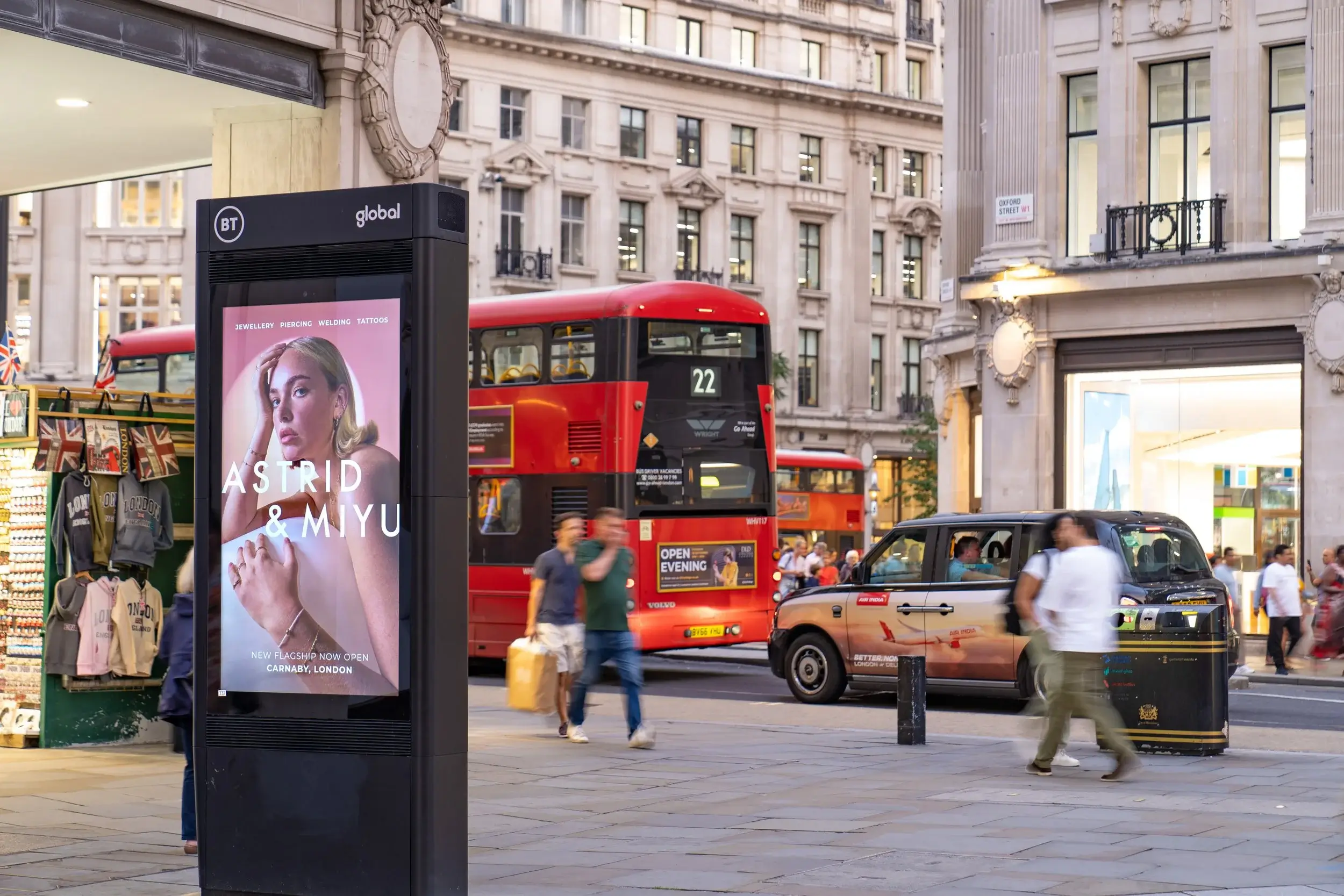
Out-of-home advertising plays an important role in modern omnichannel marketing strategies by connecting offline visibility with online engagement. In simple terms, it helps brands capture attention in the real world and then guide that attention toward digital platforms such as websites, apps, and social media. When used effectively, OOH acts as a powerful bridge between physical and digital marketing channels.
Below is an explanation of how OOH supports omnichannel marketing.
1. What Omnichannel Marketing Means
Omnichannel marketing is a strategy where a brand creates a connected experience across all customer touchpoints. These touchpoints can include:
- Billboards and outdoor ads (OOH)
- Social media platforms
- Websites and landing pages
- Mobile apps
- Email campaigns
- In-store experiences
The goal is to ensure that no matter where a customer interacts with a brand, the message feels consistent and connected. OOH advertising becomes one of the first and most visible touchpoints in this journey.
2. OOH Builds Strong First Impressions
OOH advertising is highly effective for building awareness quickly and at scale. Large-format billboards, transit ads, airport displays, and digital screens are seen by thousands of people daily.
This matters because of the following:
- People are often exposed to ads during commuting or travel
- The visuals are large, simple, and memorable
- It creates instant brand recognition
In an omnichannel strategy, this first impression is important because it “introduces” the brand before the customer sees it online. Later digital ads feel more familiar because of this exposure.
3. OOH Drives Digital Engagement
Modern OOH advertising is no longer limited to static messages. It actively encourages people to take action online.
Common examples include:
- QR codes that lead to websites or apps
- Short URLs or landing pages
- Social media handles or hashtags
- “Search our brand” prompts
This turns a physical ad into a digital entry point. For example, someone sees a billboard advertising campaign for a product on the highway, searches it on their phone, and later clicks a Google or Instagram ad. This is a typical omnichannel flow.
4. Strengthens Cross-Channel Consistency
One of the most important aspects of omnichannel marketing is consistency. Customers should see the same message across all platforms.
OOH supports this by:
- Reinforcing campaign visuals seen on digital ads
- Repeating slogans or taglines from social media campaigns
- Matching seasonal or promotional themes
When customers repeatedly see the same message in different places, it improves brand recall and trust. This repetition makes the brand more recognizable and reliable in the customer’s mind.
5. Connects Offline Behavior with Online Activity
OOH advertising is especially powerful because it influences behavior in real-world environments. People often see outdoor advertising during:
- Commutes
- Shopping trips
- Travel in airports or metro stations
These moments often lead to immediate online actions, such as:
- Searching the brand on mobile
- Visiting the website
- Checking reviews
- Downloading apps
This is how OOH becomes a trigger for real-time digital engagement, linking offline attention directly to online behavior.
6. Enhances Targeting with Digital OOH (DOOH)
Digital Out-of-Home (DOOH) advertising has made OOH more dynamic and data-driven. Screens can now change content based on:
- Time of day (morning vs evening messaging)
- Weather conditions
- Location or traffic patterns
- Audience demographics
This makes OOH more aligned with digital marketing strategies. For example, a coffee ad may appear in the morning, while a food delivery ad appears in the evening.
This level of flexibility allows OOH ads to work closely with mobile ads, programmatic campaigns, and other digital channels.
7. Improves Retargeting and Measurement
One of the biggest advantages of modern OOH is its integration with digital tracking tools.
Brands can now:
- Use geofencing to target users who were near a billboard
- Retarget people on social media after OOH exposure
- Measure increases in search volume after campaigns
This makes OOH a measurable and performance-driven channel within omnichannel marketing.
8. Builds Brand Trust and Credibility
OOH advertising also improves how people perceive a brand. When consumers see a brand in public spaces like highways, airports, or city centers, it signals that the brand is
- Established
- Trustworthy
- Widely recognized
This perception increases the effectiveness of digital campaigns. For example, users are more likely to click on an online ad if they have already seen the brand on a billboard.