


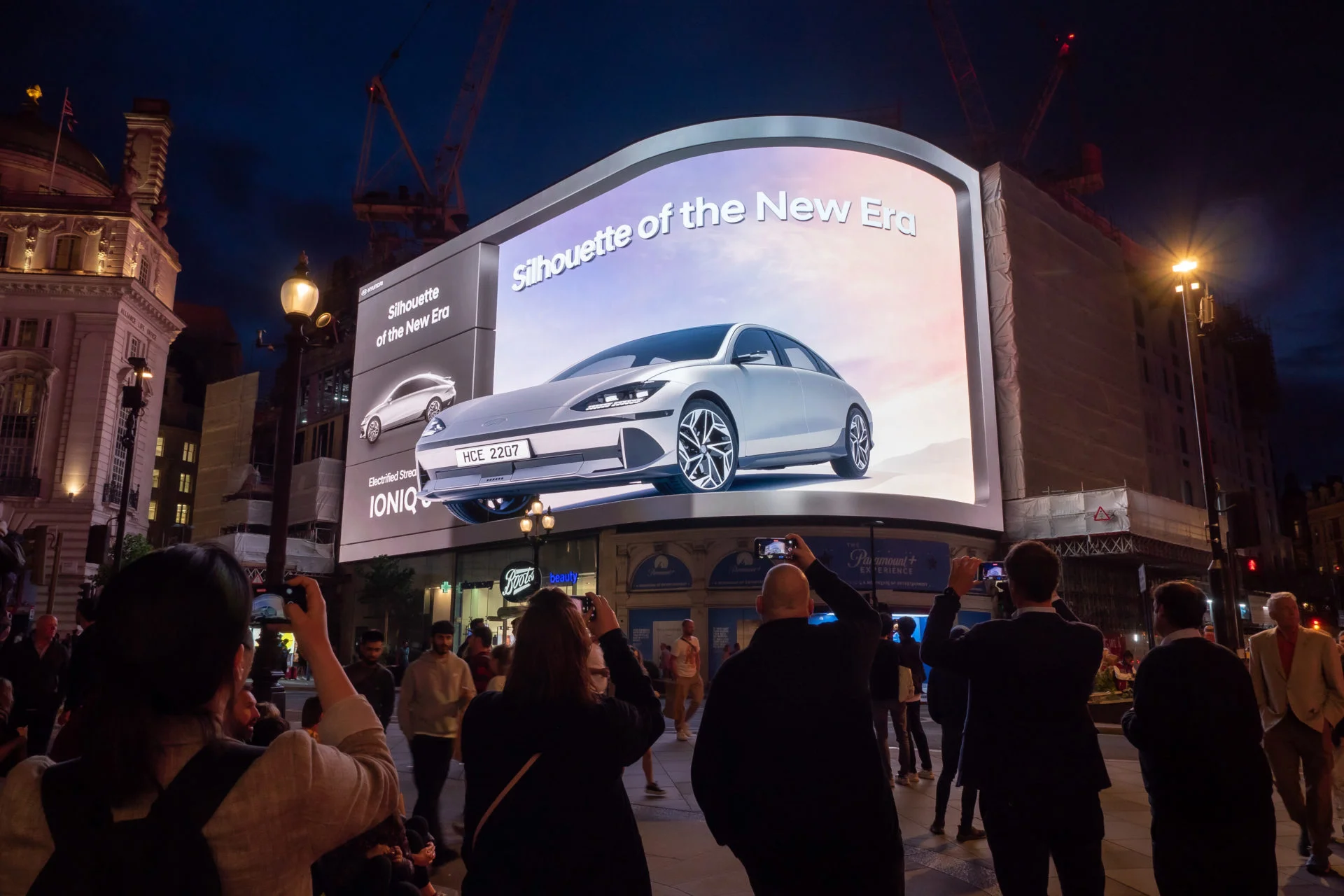
The right digital billboard brings together audience, location, visibility and campaign objectives. A screen may sit on a busy road or in a prominent city centre. Its suitability depends on whether that location reaches the people your campaign needs.
Traffic direction, viewing distance, road speed, screen position and advertising frequency all influence how people experience a placement.
Choosing well means understanding who will see the screen, how they will see it and what role the placement needs to play in the campaign.
Here are the practical factors worth checking before booking a digital billboard.
Start With the Campaign Objective
Give the digital billboard a clear role before looking at available sites.
A national awareness campaign may need large digital screens across major commuter routes and city locations. A retailer could focus on screens close to stores or shopping destinations. Entertainment brands may prioritise areas around cinemas, nightlife districts and event venues.
Campaigns that require flexible messaging can also use digital out of home advertising to schedule different creative by location, time or context where suitable inventory is available.
Define your audience, geographic coverage and campaign objective first. These requirements give you a practical basis for evaluating each screen.
Choose a Billboard Around the Audience
Audience fit should be one of the first considerations when selecting a digital billboard.
Start by understanding where your target audience travels, works, shops and spends time. Then identify screens positioned around those movements.
A financial services brand targeting professionals may focus on commuter routes leading towards business districts. A retailer could prioritise screens around shopping areas or routes towards relevant stores.
The same principle applies when planning wider billboard advertising in the UK. Available audience, traffic and footfall data can help establish whether the people using a location are relevant to your campaign.
High traffic numbers are a useful context. Audience relevance should determine how much those numbers matter to your brief.
Look Beyond the Location Name
A well known road, postcode or city centre location can sound attractive on a media plan. The exact position of the screen still needs to be assessed.
Look at:
- Direction and orientation
- Viewing distance
- Approach angle
- Screen height
- Potential obstructions
- Traffic flow
- Surrounding buildings and signs
- Day and night visibility
These factors show how the advert will actually appear to someone approaching the site.
A digital billboard can sit beside a busy road while having limited visibility from certain lanes or directions. Another screen may become visible much earlier along the route and give people longer to process the creative.
Review the individual site rather than relying on the reputation of the wider location.
Check the Direction of Travel
Traffic direction determines which journeys a digital billboard reaches and when people encounter the message.
Consider a screen close to a shopping centre. A billboard facing people travelling towards the destination can reach potential customers before they arrive. A billboard facing outbound traffic reaches people after they leave.
The same consideration applies around airports, hotels, restaurants, entertainment venues, property developments and events.
Direction can also affect the audience reached at different times of day. Inbound routes can reach commuters travelling towards city centres and commercial districts in the morning. Outbound routes can reach people travelling towards residential areas later in the day.
Our guide to how traffic direction affects billboard location choice covers direction, approach angle, road speed and audience movement in more detail.
Consider How Long People Can See the Screen
Viewing time affects the type of digital billboard you should choose and the creative you should place on it.
People travelling past a roadside screen at speed have a short window to understand the message. Pedestrians and slower moving city traffic may remain within sight of a screen for longer.
Viewing distance matters too. Large roadside screens often need simple creative that remains clear from a distance.
The surrounding environment can affect visibility as well. Buildings, road signs, shop fronts and nearby advertising all compete for attention.
Review the screen from the audience’s likely viewing position whenever possible. Site photography can provide useful context.
Creative should then be designed around those real viewing conditions. Go through the billboard advertising creative best practices guide that covers message length, legibility, viewing distance and other practical considerations.
Understand How Often Your Advert Will Appear
Ask how frequently your advert will appear before booking a digital billboard.
Digital screens commonly rotate adverts from several campaigns within a scheduled loop. Your advert appears at specific intervals rather than remaining on the screen continuously.
Confirm the:
- Spot length
- Loop length
- Expected number of plays
- Operating hours
- Campaign dates
- Share of time
- Scheduling restrictions
Spot duration alone does not provide enough information.
For example, a ten second advert could appear within different loop structures depending on the screen and booking. The loop length and expected number of plays give you a clearer understanding of the exposure being purchased.
If you are still deciding which type of placement fits the campaign, our guide to different types of billboard formats covers common digital, static, roadside and large format options.
Decide Whether Timing Matters
Digital billboards can allow campaigns to control when a particular creative appears.
This is useful when the relevance of a message changes throughout the day.
A coffee brand may want to reach morning commuters. A restaurant could schedule relevant creative around lunch and dinner. A retailer may want messaging aligned with opening hours or a specific promotion.
This scheduling approach is commonly known as dayparting.
Some digital out of home campaigns can also use contextual signals such as weather, traffic conditions or time to determine which creative appears. These capabilities depend on the inventory and campaign setup.
Use scheduling when it supports the campaign objective. A consistent message can remain the right choice when it is relevant throughout the day.
Make Sure the Screen Suits Your Creative
Digital billboard specifications vary between sites and media owners.
Check the screen requirements before finalising the booking. Important details can include:
- Resolution
- Aspect ratio
- File format
- Spot duration
- Animation requirements
- File size
- Creative deadlines
This becomes particularly important when one campaign uses several digital formats.
A landscape roadside screen requires a different layout from a portrait digital panel. Large landmark screens can have unique dimensions that require bespoke artwork.
Creative should be prepared for the dimensions and viewing conditions of the selected screen. Simply resizing one master asset can leave text difficult to read or key visual elements poorly positioned.
Assess Reach in the Right Context
Estimated reach and impressions can help when reviewing digital billboard options. They need to be considered alongside audience relevance.
Look at who contributes to the audience and why those people are passing the location.
A regional retailer may value a screen along a route towards its stores. A B2B advertiser may focus on commuter routes entering a commercial district. An entertainment campaign may prioritise screens around relevant venues.
Consider audience profile, geographic coverage, direction of travel and proximity to relevant destinations alongside estimated reach.
This provides a clearer view of what a site can contribute to the campaign.
Check What You Are Getting for the Budget
Digital billboard prices can vary according to location, screen size, campaign dates, demand and the inventory being booked.
Review what the proposed spend includes.
Consider:
- Campaign duration
- Audience relevance
- Expected delivery
- Advertising frequency
- Screen location
- Scheduling options
- Creative requirements
- Available reporting
Premium landmark screens can carry higher rates due to their scale, position and availability. Other campaigns may use a network of digital screens across several relevant audience routes.
A useful media recommendation should explain why each proposed screen fits the brief. This makes it easier to understand where the budget is going and what each placement is expected to contribute.
What Should You Check Before Booking a Digital Billboard?
A few practical checks can help you assess a proposed site before confirming the booking.
Where exactly is the screen?
Confirm the precise location. Review its position and the direction the advertising face points.
Who is likely to see it?
Review the available audience, traffic or footfall information. Check whether that audience reflects the people your campaign needs to reach.
How will people approach the screen?
Look at traffic direction, road speed, viewing distance, screen height and approach angle. Recent site photography can help you understand the surrounding environment.
How frequently will the advert appear?
Confirm the spot duration, loop structure, operating hours and expected campaign delivery.
Can the creative change?
Establish what the screen supports if you plan to use dayparting, multiple creative versions or contextual messaging.
What reporting is available?
Confirm what proof of play, delivery information or other campaign reporting will be provided.
These details give you a practical basis for deciding whether a digital billboard fits the campaign.
Choosing Digital Billboards With OOH International
The right digital billboard should reach a relevant audience in a location that supports your campaign objective. Its position should provide suitable viewing conditions. The advertising schedule should provide the level of exposure required.
OOH International helps brands and agencies assess digital billboard advertising opportunities across the UK and international markets. We can review locations, available formats, audience requirements, campaign dates and creative specifications before media is booked.
If you have target locations in mind or need help narrowing down the available options, speak to OOH International about your audience, campaign dates and budget. We can help you build a shortlist around your brief.